
How to Use a Skid Steer Post Driver Attachment
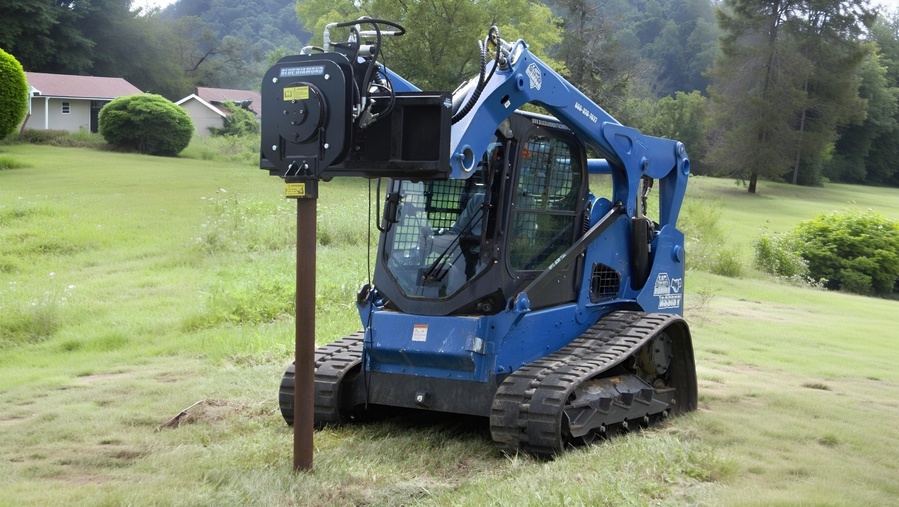
Table of Contents:
- TL;DR
- What is a Post Driver?
- What is a Hydraulic Post Driver?
- Soil Conditions
- Fence Line
- The Type of Posts
- Safety Precautions
- Post Driver Set-Up
- Post Alignment
- Post Driving Process
- Maintenance of Your Skid Steer Fence Post Driver
- Quality is Essential
- Frequently Asked Questions
TL;DR
- A post driver is a heavy-duty attachment designed to install fence posts firmly and deeply into various soil conditions without causing structural damage to the posts.
- Hydraulic post drivers utilize auxiliary hydraulic flow (typically 10-25 GPM) from a skid steer, tractor, or excavator to power a repeating impact hammer mechanism, replacing intensive manual labor.
- Pre-installation planning requires testing soil compactness (clay-heavy soils may require pre-drilling), establishing precise alignment grids, and wearing standard PPE.
- Routine maintenance protocols involve visual inspections for wear, cleaning mud and debris after use, greasing moving parts, and storing the tool indoors to avoid rust.
Privacy and security are among the most precious things we can have today. A simple fence around our property makes us feel safe and secure. Whether it's a short wooden fence or a more substantial barrier, fence installation is often one of the first steps we take when building our home. It's also a task many of us would love to tackle ourselves to save money rather than hiring a contractor and that's a smart move!
All you need is a skid steer and a post driver attachment. It's also handy to know how to properly operate the machine, which is where we come in to help. We present you with the ultimate guide on skid steer post driver attachments and how to operate them efficiently.
Read our operator's guide: Land Clearing Equipment Guide
What is a Post Driver?
A post driver, post pounder, post knocker, or fence driver, is a piece of equipment that allows you to drop fence posts into the ground with precision. The key to this operation is placing posts firmly in the ground to make your fence last forever. Easy? It only seems so! Posts must be rooted deep enough so no outside element causes your fence to fall over, regardless of terrain conditions.
The post driver does the job perfectly by driving posts deeply and evenly into the ground while not damaging the posts. You can use either a manual post driver or a hydraulic one. The hydraulic option makes all the difference, so today's article will look into the details of how to use it effectively.
Read our full guide: History of Caterpillar Skid Steers
What is a Hydraulic Post Driver?
The hydraulic post driver is an attachment that allows you to use your tractor, skid steer, or even an excavator to help you drive fence posts. Performing the job with manual post drivers is possible, but it's very demanding and time-consuming especially for farmers and ranchers who need efficient solutions.
Thanks to hydraulic pressure from your skid steer (typically requiring 10-25 gpm flow), you can cycle the driver. Every time the post driver cycles, it drives the post into the ground by making repeated impacts with the hammer mechanism. The enhanced power of a hydraulic post driver lets you drive various types of posts, from simple fence posts to heavy-duty options, and you'll do so just by positioning posts and operating the machine. All the manual labor is taken off your shoulders!
Read our operator's guide: Wheel vs. Crawler Dozer Comparison
How to Use a Skid Steer Post Driver?
Now that we know what post drivers are, let's move on to how to operate them. There are several simple rules and best practices for using skid steer fence/post driver attachments. We list them below to get you started with driving posts like a pro.
Preparation
Start by carefully planning your fence installation. Preparation includes assessing soil conditions, planning the fence layout, and choosing the right type of posts for your specific needs.
Soil Conditions
If the ground you plan to install the fence on is sandy or loamy, you can operate quickly and effortlessly. However, surfaces made of clay or rocks might need additional work in the form of pre-drilling or use of extra equipment. Determine soil type by driving a stake this gives you information about moisture levels and resistance. Remove rocks or any other elements that may affect operation.
Fence Line
To make a sturdy and durable fence, you must be precise in measurements and markings. The best approach is using tape to mark the fence perimeter. Also use flags to mark post placement locations for easy reference.
The Type of Posts
Choosing fence type isn't just about aesthetics it's about practicality too. Metal posts provide weather resistance and durability, which is why T-posts and U-posts are popular options among farmers and ranchers. They're also easy to work with and come in various size and height options.
Safety Precautions
One of the oldest and smartest rules for operating any equipment is: 'safety comes first'. Using a post driver is no exception. Follow these steps to ensure your safety:
1. Clear the area of unwanted objects that can damage equipment or cause health hazards
2. Inspect whether your skid steer and post driver attachment are in good working condition
3. Follow manufacturer guidelines for proper attachment use
4. Use appropriate safety gear: closed-toe footwear, gloves, safety glasses, ear protection, and hard hat
5. Ensure anyone in the surrounding operation area stays at a safe distance
6. Avoid loose clothing that could get caught in moving parts
Proper safety practices not only protect you and others but also ensure your skid steer and attachment operate at peak performance. Taking these precautions seriously will help you avoid costly accidents and equipment damage while making your fence installation project run smoothly.
Post Driver Set-Up
For smooth, efficient, and precise work, devote time to properly setting up your machine and attachment. Perform a power source check by verifying the attachment is appropriately connected to the skid steer and all hydraulic systems function properly.
Post Alignment
Ensure proper alignment by positioning posts vertically to the ground where they'll be installed. While driving, use a level to ensure posts stay in precise vertical position. Many modern skid steer post drivers feature tilt functionality to help with alignment on uneven terrain.
Post Driving Process
Once preparation steps are complete, move on to the actual post installation:
Position the hydraulic post driver over the first fence post. Activate the attachment and start inserting the post while monitoring depth and alignment. The hammer action will efficiently drive posts to the desired depth. Once the right depth is reached, stop driving, recheck positioning, and secure the post if needed. Repeat this process with subsequent fence posts until all are in designated places.
Read our full guide: Skid Steer Sizes and Frame Guide
Maintenance of Your Skid Steer Fence Post Driver
Maintenance is crucial for your attachment's longevity and reliability. Before every use, check your attachment for signs of damage, wear, or cracks. If any occur, repair equipment and replace faulty parts before operation.
After each use, clean equipment thoroughly and store indoors to prevent corrosion or rust. Routinely keep your machine clean of debris and mud, and lubricate all moving parts to prevent friction and corrosion.
Schedule periodic professional inspections as recommended by the manufacturer. Many USA-based manufacturers offer comprehensive warranty options and maintenance support.
Read our operator's guide: Best Used Skid Steer Buying Guide
Quality is Essential
Remember that no maintenance activities will ensure safety, durability, or proper operation of poor-quality equipment. Always purchase skid steer attachments from trusted, reliable suppliers. Quality means not just a good post driver purchase it means ongoing support and guidance that only the best suppliers provide.
For top-quality skid steer fence driver options with excellent warranty coverage, choose skidsteers.com. Our team can help you find the right attachment for your specific needs and provide expert guidance on making the most of your investment. Get in touch to discuss your project requirements and see how we can assist you with all your skid steer attachment needs.
Read our full guide: Best Track Loader Comparison Guide
Frequently Asked Questions
What hydraulic flow is required to operate a skid steer post driver?
Most hydraulic post driver attachments require standard auxiliary hydraulic flows of 10 to 25 gallons per minute (GPM) from the host skid steer to cycle the hammer mechanism effectively.
How do soil conditions affect the post-driving process?
Sandy or loamy soils allow posts to be driven quickly and effortlessly. However, clay-heavy or rocky soils present significant resistance, often requiring pre-drilling or specialized clearing equipment before driving posts.
What is the recommended post-driving alignment technique on uneven terrain?
To ensure a straight fence, posts must be positioned vertically. While driving, a level should be used continuously. Many modern hydraulic post drivers are equipped with built-in tilt functionalities to easily adjust alignment on sloped or uneven ground.